For decades, ski areas, Nordic centers, snowmobile clubs, and winter operators have treated snowcat ownership as the default. If you needed reliable grooming equipment, you bought the machine, carried the insurance, handled the maintenance, stored it in the off-season, and planned for replacement when the machine aged out.
But ownership is not always the smartest financial model.
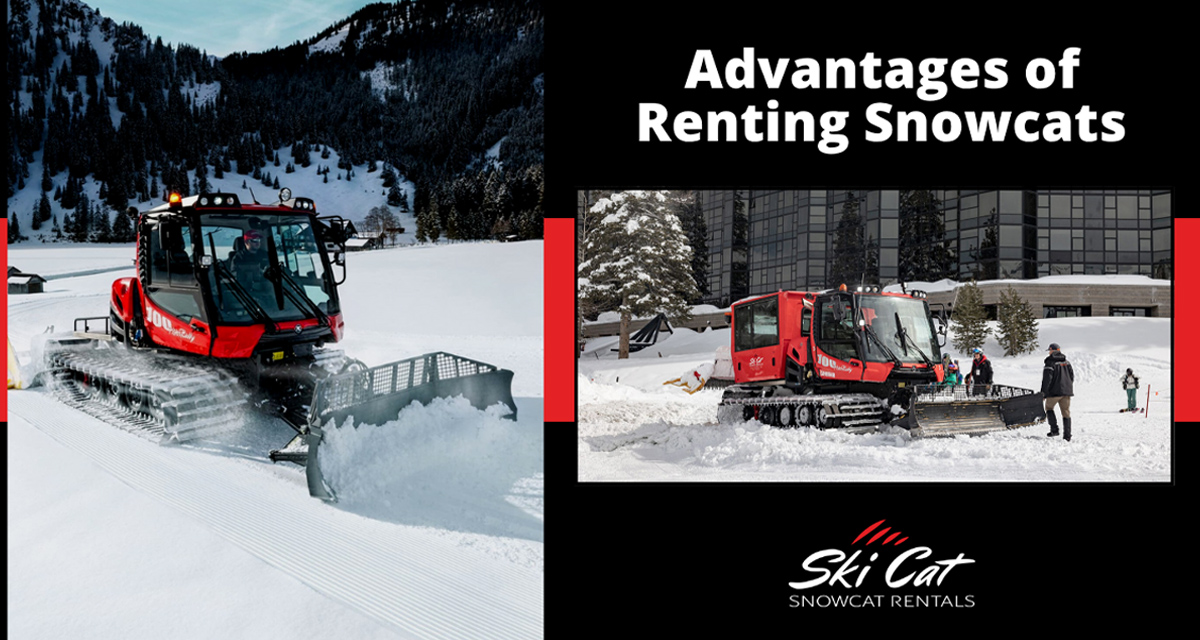
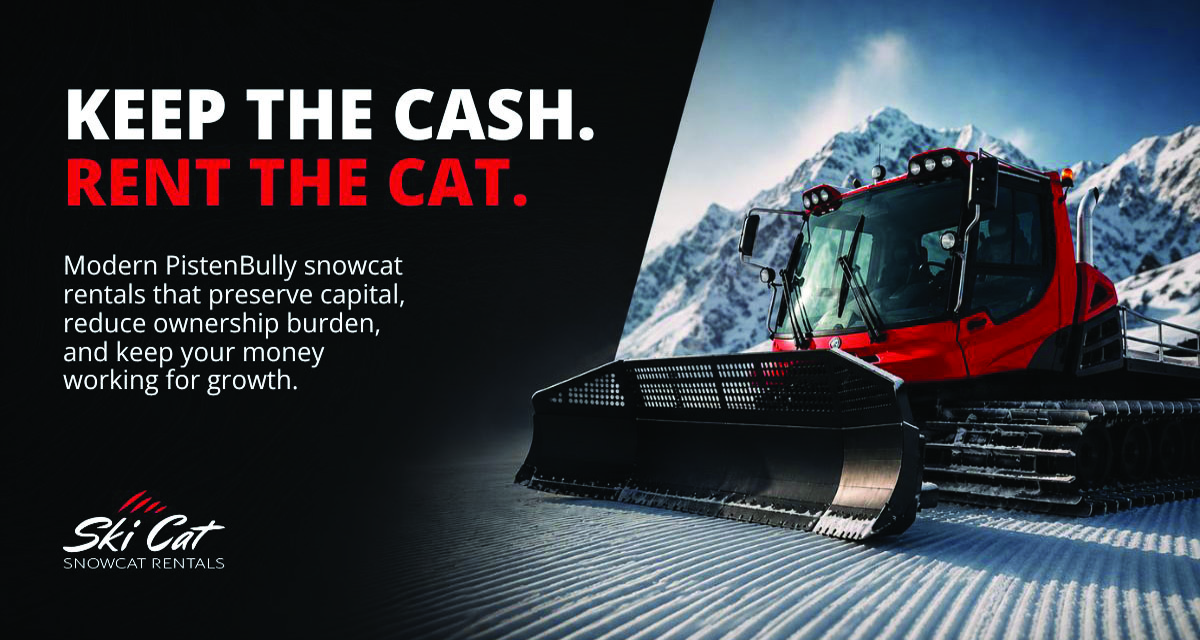
A snowcat is essential to winter operations, but it is still a depreciating asset. Buying one can tie up hundreds of thousands of dollars in equipment that loses value, requires ongoing maintenance, and creates future replacement pressure. Renting gives operators access to modern PistenBully equipment while preserving cash for investments that can actually grow revenue, such as snowmaking, marketing, trail improvements, guest amenities, retail, food and beverage, and facility upgrades.
As margins tighten and operators look for smarter ways to use capital, the conversation is shifting from “Should we own the machine?” to “What is the best use of our cash?”
For many seasonal operations, the answer is simple: keep the cash working and rent the snowcat.
Revenue Comes Before Cost Savings
When the goal is revenue growth, the priority is not simply cutting costs. It is putting available cash toward the areas most likely to improve the guest experience, extend the season, and strengthen the operation.
Ski areas, Nordic centers, snowmobile clubs, and winter operators do not grow because they own more equipment. They grow because they create better conditions, better access, and better experiences. That distinction matters when deciding whether to buy or rent a snowcat.
Higher-return opportunities may include:
- Snowmaking and snow storage to extend the season and maintain better conditions
- Trail and terrain improvements that improve the experience for skiers, riders, and trail users
- Marketing campaigns that increase visibility, bookings, memberships, or event participation
- Retail, rentals, food, and beverage programs that increase per-guest revenue
- Lodge, clubhouse, or guest-area improvements that encourage longer visits and repeat use
Each of these investments has a clearer connection to revenue growth than equipment ownership. Better snow can mean more operating days. Better terrain can improve the guest experience. Stronger marketing can increase demand. Better amenities can increase the amount of time and money guests spend on-site.
Snowcats are essential to making those experiences possible, but ownership is still overhead. A snowcat supports the operation, but it does not create revenue on its own. When an operator buys a machine, cash is tied up in a depreciating asset that also brings maintenance, insurance, storage, downtime risk, and future replacement costs.
Renting changes the equation. Instead of locking capital into ownership, operators can access the snowcat they need while keeping more cash available for the investments that actually drive growth.
Snowcats Are Essential, But They’re Still Overhead
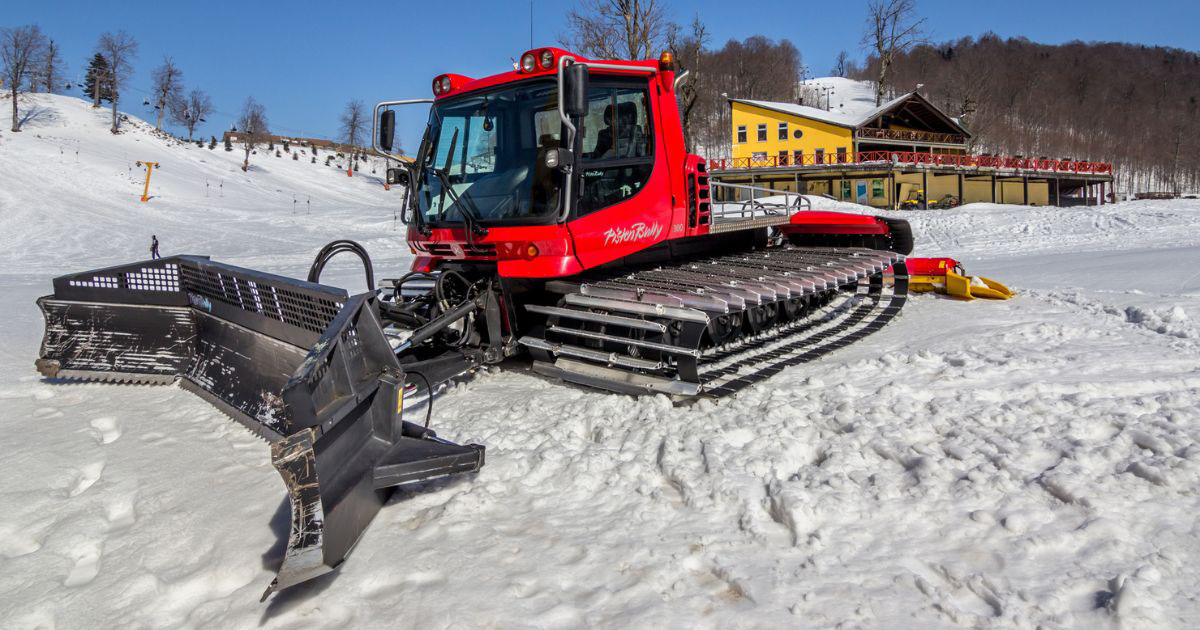
Snowcats are essential to grooming, access, safety, and the overall guest experience. But essential equipment is not the same as a revenue-generating asset.
No matter how advanced or well-maintained a snowcat is, the machine does not produce revenue on its own. It supports the conditions that make revenue possible, but ownership creates a separate financial burden. The purchase price is only the beginning. Once a machine goes into service, depreciation begins, maintenance becomes the owner’s responsibility, and capital is tied up in equipment instead of being available for growth.
Even frequent use does not eliminate depreciation. Over time, the machine loses value while maintenance, insurance, storage, repairs, and replacement planning continue to add cost. What starts as a necessary purchase can become a drain on cash flow, flexibility, and profitability.
Renting helps operators keep the equipment function without taking on the full ownership burden. The snowcat remains available for the season, but the capital stays free for higher-value opportunities.
Renting Keeps Capital Working
Renting snowcats allows you to rethink capital deployment. Instead of committing to high upfront costs, rental models align with usage, allowing for more efficient financial management. Rather than tying up money in idle equipment, you can keep funds active to support areas of the business that bring returns.
From needs that arise without warning to new ideas to grow your business, many areas can require funding in the fast-paced ski industry. Being able to keep more capital in reserve, while still enjoying the perks of equipment through rental agreements, allows for greater control and fewer financial surprises.
Some key advantages of renting snowcats include:
- Costs that align more accurately with seasonal demand and equipment usage
- Preserved cash flow for arising needs and high-return investments
- Fixed, relatively predictable expenses that simplify long-term planning
- Removing long-term depreciation concerns
Renting isn’t just advantageous because owners save money – its true benefit is that it allows owners to keep capital working, fueling growth and preparing to respond to urgent business needs and market shifts.
According to the Colorado Sun (Blevins, 2025), the nation’s ski areas logged 61.5 million visits throughout 2024 and 2025. In the past half-decade, the resort industry has seen four of its five busiest seasons ever, putting many facilities on notice that increased demand is coming, and money is on the table.
Snowmaking as a Parallel Investment Strategy
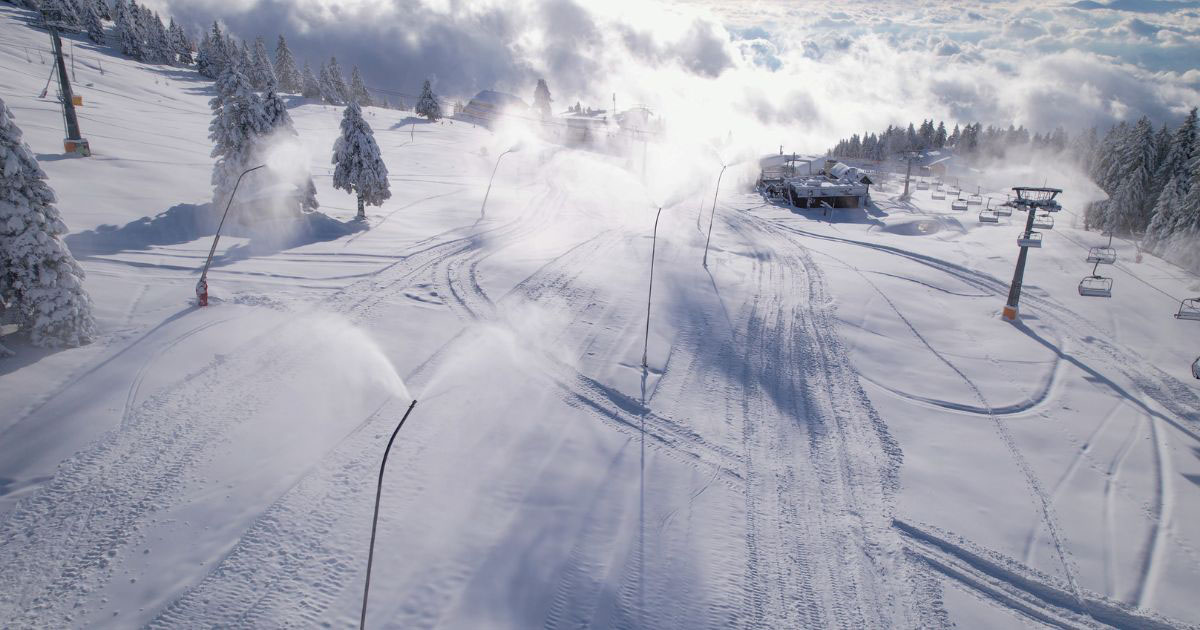
Like snow grooming equipment, snowmaking systems have shifted toward a proactive model. Facility owners see the benefits in storing snow early and maintaining suitable conditions for longer. This allows for consistent revenue opportunities regardless of weather variability.
Snow storage functions as a foundational element for facility revenue growth. This allows operators to open earlier, stay open longer, and provide a level of quality and enjoyment that their competitors do not. This increased stability coincides with opportunities for facility expansion, as operations and income remain more stable.
This same logic applies to equipment decisions. By choosing to lease a snowcat rather than own one, a facility gains an ongoing resource for facility optimization – but without as significant an upfront investment or as many associated expenses.
With rental agreements that enable equipment access and increase capital flexibility, companies can allocate both toward business growth. When you prioritize revenue and revenue-generation over ownership, business expansion becomes much more achievable.
Operational Reliability Without Capital Lock-Up
While owners may consider the financial benefits of renting, you might also be concerned about reliability. While ownership may seem to offer more control, modern rental models are designed to meet and exceed customer expectations. Facility owners can gain access to high-quality, current-generation equipment without worrying about the long-term financial commitment that comes with ownership.
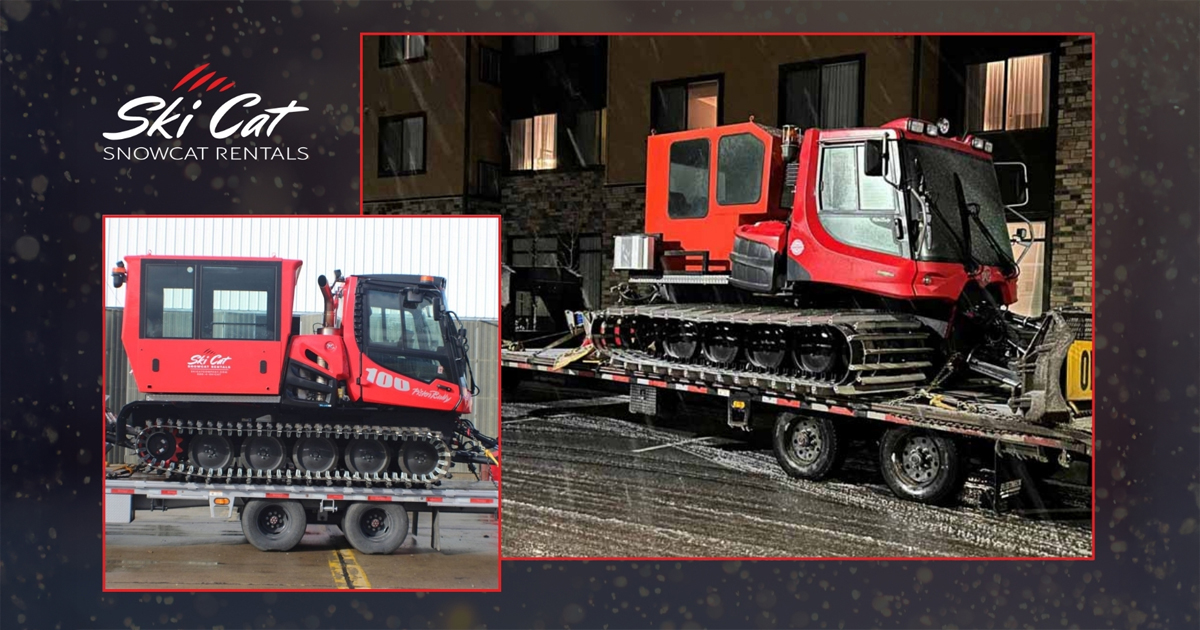
Rental programs can provide you with access to modern, well-maintained PistenBully machines that are equipped with advanced features for performance and efficiency. Built-in telemetry and diagnostic systems help identify issues early on, reducing the risk of unexpected downtime and enabling proactive maintenance.
Additional benefits of rental reliability include:
- Quicker and more affordable access to new equipment without replacement cycles
- Integrated diagnostics that minimize operational disruptions
- Ski Cat Company handles maintenance and support for your convenience
- Consistent performance during critical and high-demand periods
Rental agreements with Ski Cat Company don’t just mean saved money or even more resources for reinvestment. They also mean outsourcing matters like maintenance and support, freeing you from a massive burden and allowing you to dedicate even more attention to your customers. Snow Brains reports (Frantz, 2025) a 1.7% year-over-year increase in skier activity in 2024 and 2025, which could translate to massive revenue opportunities if facilities adjust to this influx of customers.
The Cost of Downtime is Often Underestimated
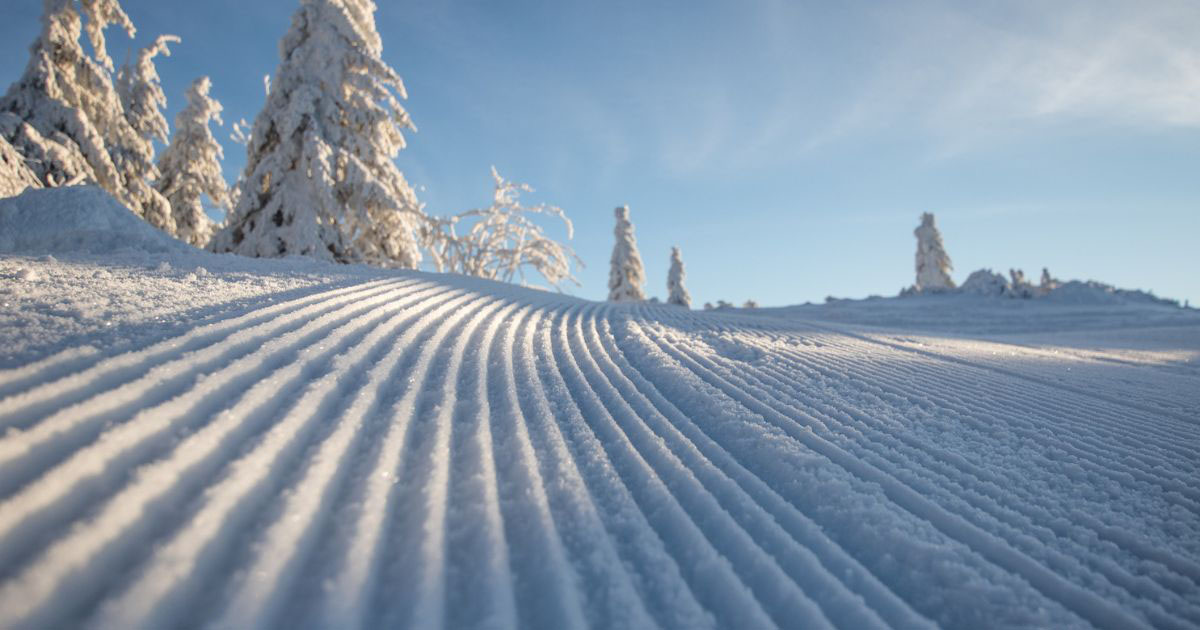
Downtime is one of the most overlooked risks in ski operations and winter facilities. Even those who have been successful in the industry for decades may consistently overlook this measurable risk to revenue opportunities. When grooming is disrupted, the effects ripple throughout the guest experience. As terrain quality declines, conditions become less stable, and the value of a facility visit diminishes in the eyes of even repeat visitors.
This goes beyond simply reducing ticket sales and boosting income day over day. Guest perceptions can persist, creating a lasting reputation that makes visitors less likely to return to a location, given their diminished expectations. This means even a short-term equipment issue, especially during peak season, can have long-term revenue implications.
Particularly when you compare the cost of downtime during these peak periods, rental fees are very affordable by comparison. Said fees function as a double reinvestment in the business providing reliable equipment and saving capital for further reinvestment. It’s clear that rental agreements are a smart financial choice.
If there’s one thing an operator is focused on when they’re looking to grow the business, it’s shifting their operational burdens as skillfully as possible. Renting helps do this by saving you money and freeing you from maintenance and support workflows. As you face fewer risks to your facility, so do your customers, resulting in a more enjoyable experience that attracts consistent revenue and presents opportunities for steady growth.
A Smarter Capital Model for Modern Operations
As companies seek to expand, most are focused on how they manage capital. By moving away from traditional, outdated models that say ownership is superior, you are able to focus on flexibility and performance-driven initiatives. Renting snowcats can fit perfectly into this evolved structure, allowing companies to prioritize their adaptability in a fast-moving field.
When you scale with demand, you can respond faster to customer expectations and become a top choice in their industry. By freeing capital from depreciating assets, owners unlock a level of flexibility that can help pivot according to weather patterns, visitation trends, and market shifts that necessitate new operational requirements.
Organizations that embrace the rental model can enjoy perks such as:
- The flexibility to scale equipment usage up or down as needed, without having to worry about limitations of ownership models.
- The ability to adapt to guest demands on the fly, because equipment can be tailored to customer needs, rather than limiting the capital for them.
- Reducing the financial risks tied to long-term ownership, and in doing so, providing a financial and capital cushion for expansionary options.
- Greater focus on revenue growth over asset management, by reducing complications and improving reinvestment opportunities for the facility.
In a unique field like snow-sporting facilities or the seasonal entertainment business, staying agile isn’t just an advantage; it’s an absolute necessity if you want to remain at the top of your field. Don’t be constrained by seasonal boundaries, capital limitations, or restrictive equipment ownership arrangements.
Conclusion: Efficiency, Not Ownership, Is What Can Offer Revenue Opportunities
Just as the seasons change, so too has the perspective of the ski and winter activities industries. The idea that ownership is imperative has been challenged, and now plenty of evidence piles up like fresh snow to show that rentals can be the superior way forward. Effective capital allocation and cost savings from smarter decisions can turn a good facility into a great one.
By renting snowcats instead of owning them, you can keep capital available for investments that facilitate growth. Rather than resources being tied up in depreciating assets or even simply saved, they can be directed toward expansion. This can include improving guest experiences, extending the operating season, and increasing overall profitability.
Ownership is no longer the default solution. It’s one option among many, and for those who prioritize flexibility and agility in their business model, renting represents a compelling alternative that offers the benefits of top equipment and growth potential.
Reach Out to Ski Cat Today
Ready to compare the real cost of renting versus owning?
Ski Cat helps winter operators access modern PistenBully snowcats without tying up capital in depreciating equipment. Our bare rental program is designed for seasonal operations that need reliable equipment, predictable costs, and fewer ownership burdens.
Contact us to discuss seasonal snowcat rental options and see how renting can help preserve cash for growth.